What Can Go in a Dumpster Rental During a Cleanout?
Knowing what can go into a rental container helps prevent rejected loads, added fees, and unsafe disposal during a property cleanout. Containers are designed for many common household, commercial, yard, and renovation materials, but every provider has limits based on weight, local disposal rules, and the equipment used to transport the load.
This information matters because prohibited items can contaminate an otherwise acceptable container or force the customer to unload materials before pickup. A cleanout may include furniture, boxes, appliances, construction debris, paint, batteries, and other items that cannot all be handled the same way. This guide explains commonly accepted materials, items that need advance approval, substances that usually require specialized disposal, and the preparation steps that help an Augusta cleanup move forward without avoidable delays.
Common Household Items Usually Accepted
Many ordinary household items can be placed in a rental container when they are nonhazardous and within the provider’s size and weight limits. Typical examples include boxes, clothing, toys, books, rugs, small household goods, broken decorations, non-upholstered furnishings, and general clutter from garages, attics, closets, or storage rooms.
Furniture may also be accepted, including tables, chairs, dressers, cabinets, bed frames, and shelving. Large pieces should be positioned carefully so they do not extend above the fill line. Breaking down bulky furniture can create more usable space, but customers should use proper tools and avoid unsafe demolition.
Some upholstered items, mattresses, and box springs may carry separate disposal fees. The provider should be told about them before delivery. Junk Removal may be a better choice when furniture is too heavy to load safely or must be carried down stairs. A clear inventory helps determine whether self-loading is practical.
Renovation and Construction Debris
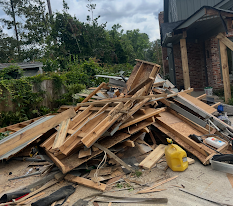
Many containers are used for remodeling and light construction waste. Commonly accepted materials may include drywall, lumber, cabinets, flooring, doors, trim, siding, plumbing fixtures, and nonhazardous demolition debris. Nails and sharp edges should remain contained so they do not create hazards around the bin.
Dense materials require special attention. Concrete, brick, soil, tile, plaster, roofing shingles, and asphalt can exceed a container’s weight allowance quickly. Providers may require a smaller dedicated container or a specific fill level for these materials.
Dumpster Rental customers should never assume that mixed construction debris follows the same rules as household clutter. Clean loads of concrete or roofing material may be handled differently from mixed debris containing trash, insulation, and wood. Describe the project before ordering so the provider can recommend the correct container and explain weight restrictions. Accurate material information protects the equipment and reduces the chance of overweight charges.
Yard Waste and Outdoor Cleanup Materials
Branches, brush, leaves, grass clippings, small logs, and nonhazardous landscaping debris may be accepted, depending on the provider and disposal destination. Some facilities require yard waste to remain separate from household trash, so customers should confirm whether mixed loads are allowed.
Large stumps, heavy logs, soil, sod, stone, and landscape blocks can create significant weight. These materials may need a dedicated container or another disposal plan. Wet yard waste also weighs more than dry material and can increase the final tonnage.
Outdoor cleanup can include fencing, planters, garden tools, patio furniture, and pieces from small structures. Sheds, playsets, and decks may generate nails, treated lumber, roofing, and other materials that should be disclosed. Junk Removal may be more suitable when dismantling and carrying are needed, while a container is efficient when a crew is already performing the outdoor work.
Appliances, Electronics, and Metal Items
Scrap metal and many nonhazardous metal items may be accepted, including shelving, tools, grills without fuel tanks, bed frames, and certain fixtures. Appliances and electronics require more caution because they may contain refrigerants, batteries, oils, screens, or regulated components.
Refrigerators, freezers, air conditioners, televisions, monitors, and some electronic devices often require special recycling or a separate fee. Appliances should be emptied and disconnected before removal, but gas, water, or hardwired electrical connections may require a qualified technician.
Before placing these items in a Dumpster Rental, ask the provider for written approval. Never hide electronics or refrigerant-containing appliances under other debris. When only a few bulky appliances must be removed, Junk Removal can be more practical because the crew can identify the items and route them to the appropriate facility without leaving a container on-site.
Materials That Often Need Special Approval
Certain materials are not always prohibited, but they may require advance notice, a surcharge, or a specific container. Mattresses, tires, televisions, large appliances, railroad ties, treated wood, and unusually heavy equipment are common examples.
The provider may accept these items only when a facility in the service area can process them. Fees can reflect recycling charges, special handling, or the need to separate the material from the general load. Approval should be obtained before the container is delivered, not after it is full.
Customers should provide photos, measurements, and approximate quantities for questionable items. A written response creates a clear record of what was approved. When the cleanout includes many mixed or uncertain objects, Junk Removal may offer an advantage because the crew can review the load before loading begins and identify anything that must remain behind.
Hazardous and Prohibited Materials
Standard rental containers usually cannot accept hazardous, flammable, explosive, corrosive, or medically regulated substances. Common examples include gasoline, propane cylinders, ammunition, explosives, pesticides, asbestos, medical sharps, industrial chemicals, wet paint, solvents, and unknown liquids.
Batteries, oils, fuels, and certain cleaning products may require a household hazardous waste program or licensed disposal provider. Rules differ by material and location, so customers should contact the appropriate facility rather than placing questionable products in the container.
Do not conceal prohibited items inside bags, boxes, appliances, or construction debris. Hidden materials can expose workers and disposal staff to serious risk and may lead to rejected loads, cleanup charges, or legal consequences. The safest approach is to isolate questionable materials, label them, and obtain disposal instructions before the main cleanout begins.
Weight Limits and Proper Loading
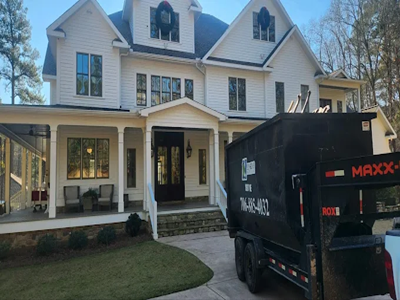
Every container has physical and legal weight limits. Heavy debris should be distributed evenly rather than concentrated on one side. The load must remain below the top edge, and nothing should hang over the sides or prevent the container from being covered or transported safely.
A container that is overfilled may not be collected until the customer removes excess material. An overweight load may generate additional tonnage charges or require special arrangements. Wet materials can add surprising weight, especially carpet, soil, drywall, and yard debris.
Dumpster Rental agreements should state the included weight allowance and the rate for additional tonnage. Customers should ask how the provider measures weight and whether dense materials require a dedicated bin. Careful loading protects the driveway, reduces transportation risk, and helps the final invoice stay closer to the original estimate.
How to Prepare Before Delivery
Create a material list before ordering. Separate general household clutter, furniture, appliances, electronics, yard waste, renovation debris, and anything potentially hazardous. This simple inventory makes it easier to identify restricted items and choose the correct container size.
Prepare a stable, accessible placement area with enough clearance for the delivery truck. Move vehicles, unlock gates, trim low branches when appropriate, and confirm any association or street-placement rules. Protecting the driveway may also be recommended.
Share photos and the expected project timeline with the provider. Ask for the accepted-material list, prohibited-material list, weight allowance, rental period, and overage fees in writing. Good preparation keeps the cleanout organized and prevents the container from becoming a mystery box filled with incompatible materials.
Conclusion
A rental container can handle many household, outdoor, commercial, and renovation materials, but acceptance depends on weight, disposal rules, and provider policies. Furniture, boxes, lumber, drywall, and general clutter are often suitable, while appliances, electronics, mattresses, tires, and dense debris may require approval. Hazardous substances should always be separated and directed to an authorized facility.
For reliable Dumpster Rental and Junk Removal guidance in Augusta, contact Hinkins Disposal LLC at 706-885-4032. Provide a complete item list, photos, and details about heavy or questionable materials before delivery. Clear communication helps the team recommend the right service, prevent rejected loads, and explain any special fees before the cleanup begins.