
How Much Do Junk Removal and Dumpster Rentals Cost?
Cleanup costs can vary widely because no two projects contain the same volume, weight, access conditions, or disposal needs. Comparing Junk Removal with Dumpster Rental pricing helps property owners decide whether they need a crew to load everything or a container they can fill over several days. The service model affects labor, scheduling, and the way disposal fees are calculated.
This comparison matters for homeowners, landlords, contractors, and businesses in Augusta because choosing the wrong option can create extra charges or unnecessary work. A quick furniture pickup may be economical with a hauling crew, while a renovation that produces debris gradually may be better suited to a rental container. This guide explains the main price factors, common fee structures, and practical ways to request an accurate estimate without relying on a misleading advertised minimum.
How Full-Service Hauling Prices Are Calculated
Full-service hauling companies commonly estimate a project by the amount of truck space used. A small pickup may fall under a minimum charge, while larger loads are priced as a quarter, half, three-quarter, or full truck. The quoted amount may include labor, transportation, disposal, and a basic cleanup of the loading area.
The final price can change when items are unusually heavy, difficult to access, or expensive to process. Mattresses, televisions, refrigerators, tires, and air conditioners may carry separate disposal fees. Dense debris such as concrete, roofing shingles, soil, and tile may be priced by weight instead of volume.
Junk Removal pricing also reflects the convenience of having a crew perform the lifting. Stairs, long carrying distances, disassembly, narrow hallways, and limited parking can increase labor time. Customers should provide photos and access details before booking so the company can estimate the correct crew size and avoid surprises when the truck arrives.
How Container Rental Pricing Is Structured
Container pricing usually combines delivery, pickup, a set rental period, a weight allowance, and disposal. The base rate may vary by container size, service area, and the type of material being loaded. Customers should ask how many rental days are included and what the provider charges for each additional day.
Weight limits are especially important. A container can look only partly full while exceeding its allowed weight when it contains concrete, dirt, roofing material, plaster, or wet debris. Overweight charges are often calculated by the ton, so dense materials should be disclosed before delivery.
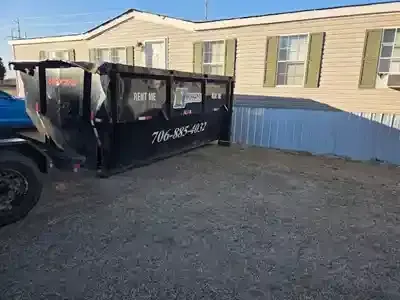
Dumpster Rental agreements may also include fees for blocked pickup access, overfilled containers, relocation requests, or prohibited items. The load must remain below the fill line, and nothing should extend over the sides. A complete quote should identify the included tonnage, rental period, delivery area, taxes, and possible environmental or fuel charges.
What Determines the Final Project Cost
Volume is one of the clearest cost drivers. A few pieces of furniture require less vehicle space than a packed garage, estate cleanout, or renovation site. However, volume alone does not tell the whole story because weight, labor, and disposal rules can change the total.
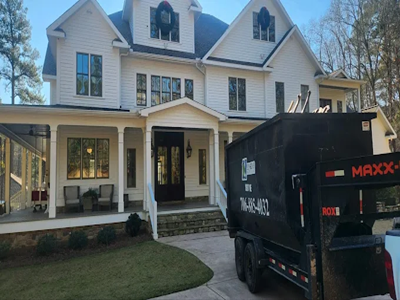
Access conditions matter for crew-based service. Items stored in basements, upstairs rooms, crawlspaces, or distant areas take longer to remove than materials placed beside a driveway. Container service has different access requirements, including enough room for the delivery truck, a stable placement surface, and a clear return path for pickup.
Project duration also affects cost. A one-day cleanup may require only one hauling visit, while a multi-week renovation could create extra rental-day charges. Customers should estimate how quickly debris will be produced and whether they can load the container within the included period. Matching the service to the actual timeline is usually more important than choosing the lowest initial price.
When a Hauling Crew May Cost Less
A hauling crew may provide better value for compact loads that can be removed in one visit. Single-item pickups, apartment cleanouts, furniture removal, appliance hauling, and small office projects often do not justify renting a large container for several days.
The customer also avoids performing the physical labor. That can be financially important when hiring separate workers would otherwise be necessary. The crew brings the vehicle, handles approved lifting, and transports the items away after the price is confirmed.
Junk Removal can also reduce costs when the property lacks room for container placement. Street permits, association restrictions, driveway protection, or blocked parking can add complications to a rental. A crew-based visit usually occupies the property for a shorter period. Customers should still compare the complete estimate, because heavy materials or difficult access can make a seemingly small job more expensive than expected.
When a Rental Container May Offer Better Value
A rental container may be economical when a project generates a large amount of debris over several days. Remodeling, roofing, landscaping, tenant turnover, and construction work often produce material in stages. Keeping a container on-site allows the project team to load as work continues.
This setup can reduce repeated pickup charges. Instead of scheduling several hauling visits, the customer pays for one delivery and one collection, provided the load remains within the agreed size, weight, and rental period.
Dumpster Rental may also provide better value when labor is already available. Contractors and property crews can load the container as part of their normal work. The savings disappear, however, if the customer must separately hire people to carry heavy items or if the container becomes overweight. The best comparison includes labor, rental days, weight, placement requirements, and disposal rather than looking only at the base rate.
Common Extra Charges to Ask About
Extra fees are often avoidable when the customer understands the agreement. For hauling service, possible additions include heavy-item handling, stairs, disassembly, long carrying distances, special disposal, and loads that are larger than the original estimate.
For containers, common additions include extra rental days, excess weight, overfilling, dry-run pickup attempts, prohibited materials, and relocation. A dry run can occur when the driver arrives but cannot access the container because a vehicle, gate, low branch, or other obstruction blocks the route.
Customers should ask whether fuel, taxes, environmental charges, and disposal are included. They should also confirm what happens when the load contains materials that were not disclosed. Written estimates make comparisons easier and provide a reference if the scope changes. A low advertised price is not useful when essential services are missing from the total.
How to Request an Accurate Estimate
Begin with clear photos that show the entire load, not only the largest item. Include close images of appliances, heavy debris, or materials that may require special processing. For a container project, estimate the type and approximate quantity of debris expected during the full rental period.
Provide the service address, property type, timeline, and access information. Mention stairs, elevators, narrow gates, low wires, soft ground, parking limits, or association rules. These details help the provider determine whether a truck or container can safely reach the property.
Ask for a written estimate that separates the base price from possible surcharges. Confirm the included labor, rental days, weight allowance, disposal, and pickup terms. Honest information produces a stronger quote than trying to make the project appear smaller. It also helps the provider recommend the service that is most likely to control the total cost.
Conclusion
The cost of cleanup depends on more than the amount of material. Volume, weight, labor, access, rental duration, disposal rules, and special items all influence the final price. Crew-based service is often practical for fast indoor pickups and customers who need lifting assistance, while a container can work better for longer projects that produce debris gradually.
For dependable Junk Removal and Dumpster Rental planning in Augusta, contact Hinkins Disposal LLC at 706-885-4032. Share photos, material details, access conditions, and the project timeline before requesting a quote. A complete estimate makes it easier to compare the true cost of each option, avoid preventable surcharges, and choose a cleanup method that fits the property and schedule.