
Should You Choose Junk Removal or Dumpster Rental?
Choosing between Junk Removal and Dumpster Rental can change the cost, speed, and amount of work involved in a cleanup. Both options move unwanted materials away from a property, but they solve different problems. One provides a crew that loads and hauls everything, while the other gives the customer a container to fill over a set period.
The right choice matters for homeowners, landlords, contractors, and businesses in Augusta because poor planning can create extra labor, disposal restrictions, driveway issues, or unexpected fees. A small furniture pickup may need only a quick hauling appointment, while a renovation may require several days of flexible loading. This guide explains how each service works, where each option performs best, and which practical details should shape the final decision.
How the Two Cleanup Services Work
Full-service hauling sends a crew and truck to the property. The customer identifies the approved items, confirms the price, and allows the crew to carry, load, and transport the material. The appointment may take less than an hour for a small pickup or several hours for a larger cleanout.
A roll-off container works differently. The provider delivers an empty bin, places it in an approved location, and leaves it for a scheduled rental period. The customer or project crew loads the debris before the container is collected.
Junk Removal is built around convenience and limited customer labor. Dumpster Rental is built around time, control, and ongoing access. Neither option is automatically better. The correct fit depends on the volume, project length, material type, available space, and whether the customer can safely handle the loading.
When Full-Service Hauling Makes More Sense
Full-service hauling is usually the stronger choice when the customer wants the work completed quickly and does not want to lift heavy items. It is useful for furniture removal, appliance pickup, estate cleanouts, office clutter, move-outs, and smaller renovation piles.
The crew handles the carrying route, stairs, tight corners, and loading. That can reduce the risk of injury and property damage, especially when couches, mattresses, cabinets, or appliances must be moved from inside a building.
Junk Removal also works well when there is no safe place to leave a large container. Apartments, busy commercial properties, narrow driveways, and locations with strict association rules may not support a multi-day bin. The customer should still provide clear photos, item details, parking information, and access conditions so the provider can send the correct crew and vehicle.
When a Roll-Off Container Is the Better Choice
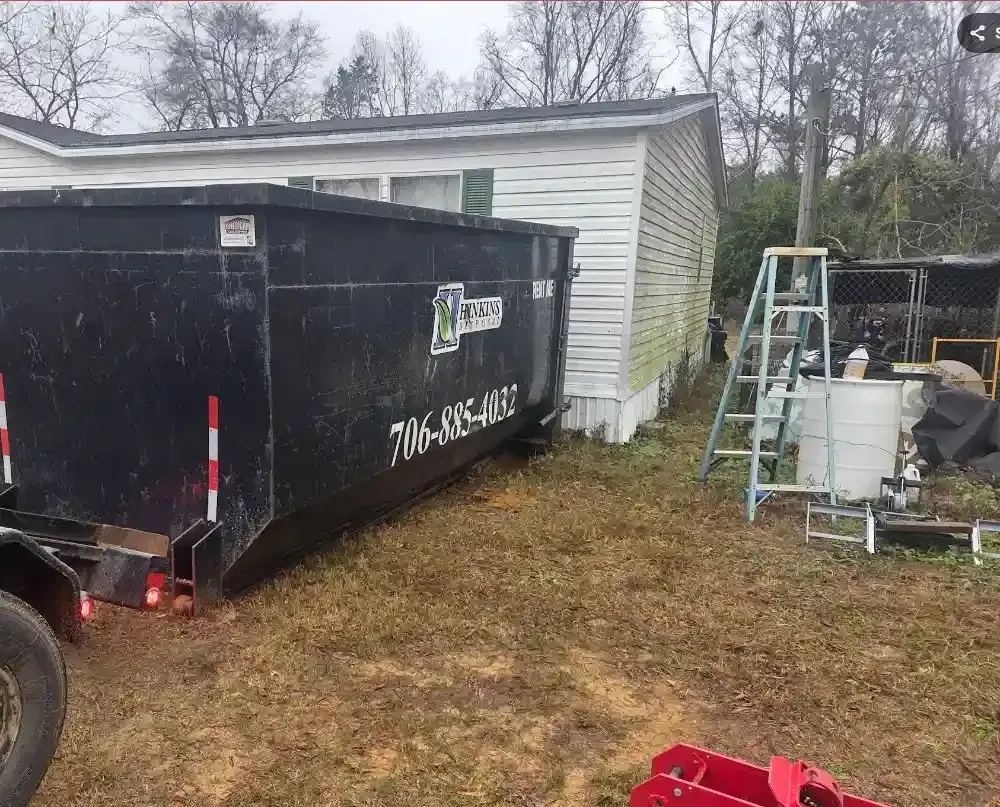
A container is often more practical for projects that produce debris gradually. Roofing work, remodeling, landscaping, tenant turnover, and large garage cleanouts may continue for several days. Keeping a bin on-site allows workers to dispose of material as the job progresses instead of building a loose pile.
Dumpster Rental can also give the customer more control over timing. Loading can happen during approved hours rather than within one hauling appointment. This flexibility is valuable when materials are spread across different rooms or generated in stages.
However, the customer must perform or arrange the labor. Heavy items may require a team, dollies, ramps, or other equipment. The container must also be placed on a stable surface with enough clearance for delivery and pickup. Overfilling, prohibited materials, and excessive weight can lead to added charges or delayed removal.
Comparing the Two Cost Structures
Hauling companies commonly price work by truck volume, item type, weight, labor, access, and disposal fees. A minimum service charge may apply even when only one item is removed. Stairs, long carrying distances, disassembly, or regulated appliances can increase the estimate.
Container pricing usually includes a delivery, a rental period, pickup, a weight allowance, and disposal. Extra days, overloaded weight, blocked pickup access, or prohibited materials may create additional charges. Customers should ask whether taxes, fuel, environmental fees, and specific disposal costs are included.
A container rental may provide better value when a project fills a substantial portion of a container over several days. Full-service hauling may cost less for a compact load that a crew can remove in one efficient visit. Comparing complete written estimates is more useful than comparing advertised starting prices.
Labor, Safety, and Time Requirements
The largest difference between the services is who performs the physical work. With a hauling crew, the customer mainly prepares access and identifies what should leave. The workers handle lifting, carrying, loading, and transportation within the agreed scope.
With a container, the customer is responsible for getting every item into the bin. That responsibility can become significant when debris is heavy, sharp, wet, or located upstairs. Improper lifting can cause injuries, while dragging furniture or debris can damage floors, doors, walls, and landscaping.
Junk Removal is generally faster for a ready-to-go pile or indoor cleanout. A container provides more time but can remain on the property for days. The best choice depends on whether speed or flexibility matters more and whether safe labor is already available.
Accepted Materials and Disposal Rules
Both services have material restrictions. Ordinary household clutter, furniture, nonhazardous renovation debris, and many outdoor materials are commonly accepted, but rules differ by provider and disposal facility.
Paint, chemicals, asbestos, fuel, medical waste, batteries, propane cylinders, and unknown liquids may require specialized handling. Refrigerators, televisions, tires, mattresses, and air conditioners may involve surcharges or separate recycling requirements. Customers should never hide restricted items under other debris.
Dumpster Rental agreements often include specific weight limits and lists of prohibited materials. Dense debris such as concrete, soil, brick, tile, and shingles may require a dedicated container or a lower fill line. Full disclosure protects workers, prevents rejected loads, and helps the provider quote the project accurately.

Space, Permits, and Property Access
A roll-off bin needs enough room for the delivery vehicle to enter, place the container, and return for pickup. Low wires, tree branches, narrow gates, parked cars, soft ground, and steep slopes can prevent safe placement. Driveway protection may also be recommended depending on the surface and container weight.
Street placement may require local approval or a permit. Homeowners associations, apartment managers, and commercial property owners may have additional rules about container size, location, and rental duration.
Full-service crews need parking and a clear carrying route, but the truck normally leaves after the appointment. This smaller footprint can be useful where space is tight. Customers should explain stairs, elevators, loading docks, restricted hours, and parking limitations before confirming service.
How to Choose for Your Augusta Project
Start with the project timeline. A one-day cleanout with heavy indoor items usually favors a crew. A multi-day renovation that continuously produces debris usually favors a container. Then estimate volume, weight, access, and available labor.
Consider the property itself. Limited parking, apartment restrictions, or no suitable placement area may eliminate the container option. A large driveway and an active construction crew may make it highly efficient.
Compare written quotes that identify labor, rental duration, weight allowances, disposal, surcharges, and excluded materials. The container option should not be selected solely because the advertised price looks lower, and hauling should not be selected without confirming the total load. The strongest decision matches the service model to the actual project rather than forcing the project into the wrong system.
Conclusion
Choosing between the two cleanup methods comes down to labor, timing, volume, access, and material type. Full-service hauling is usually better for fast pickups, indoor items, and customers who need a crew to perform the lifting. A roll-off container is often better for longer projects that create debris in stages and have enough space for safe placement. A clear plan also protects the property, keeps the project moving, and reduces the chance of paying for the wrong service.
For dependable cleanup planning in Augusta, contact Hinkins Disposal LLC at 706-885-4032. Share photos, the project address, the expected materials, the timeline, and any access limitations before requesting an estimate. Clear details help the team recommend the correct service, explain possible fees, and prevent avoidable delays during delivery, loading, or removal.