What Items Are Not Accepted During Junk Removal?
When planning a cleanup, it is important to know which items a junk removal company can and cannot take. Whether you are clearing a home, garage, office, or rental property, certain materials may require special handling. With
Junk Removal Las Vegas, customers can typically remove furniture, appliances, household clutter, and other common debris, but not every item is suitable for standard junk removal. Understanding these restrictions can prevent delays, unexpected charges, and disposal problems. Hazardous materials, regulated waste, and certain chemicals may need to be handled through specialized facilities. Separating restricted items before your appointment makes the process safer and more efficient while helping ensure materials are disposed of responsibly.
Hazardous Chemicals and Toxic Materials
Hazardous chemicals are commonly excluded from standard junk removal because they can create safety risks during handling and transportation. Examples include gasoline, motor oil, pesticides, herbicides, solvents, and industrial chemicals. These substances can leak, ignite, release harmful fumes, or react with other materials.
Strong cleaning products, corrosive drain cleaners, pool chemicals, and certain automotive fluids may also require specialized disposal. Even containers that appear empty can contain residue that presents a hazard.
Instead of placing these products with ordinary household junk, check with local waste authorities or facilities that accept household hazardous waste. Disposal requirements can vary depending on the material and local regulations.
Before scheduling Junk Removal Las Vegas, separate questionable chemicals from furniture, boxes, appliances, and other regular debris. If you are unsure about an item, ask the removal company before your appointment.
Gasoline, Propane Tanks, and Flammable Items
Flammable materials generally cannot be placed in a regular junk removal load. Gasoline, propane tanks, kerosene, lighter fluid, camping fuel, and similar products can create fire and transportation hazards.
Old propane tanks can still contain residual gas even when they seem empty. Placing them with household debris could result in leaks, accidental damage, or ignition during transportation or processing.
Keep these materials separate from your regular junk pile and contact an approved disposal location for instructions. Some propane suppliers, recycling centers, and local waste programs may accept specific containers.
Garage and workshop cleanouts often uncover old fuel cans and automotive products. Identifying these items before the removal appointment helps keep the crew and property safe.
Paint, Solvents, and Certain Cleaning Products
Paint and renovation supplies can have different disposal requirements depending on their type and condition. Oil-based paint, stains, varnishes, paint thinner, and solvents may not be accepted as ordinary junk.
Wet paint should not automatically be placed into a general trash or junk pile. Solvents such as acetone, turpentine, and paint stripper can also be flammable or toxic.
Keep liquid products sealed and separate until you determine the appropriate disposal method. Never mix chemicals together in an attempt to make them easier to dispose of.
If you are cleaning up after a remodeling project, tell the junk removal company what materials you have. The company can explain which items it accepts and which products need specialized disposal.
Medical and Biohazardous Waste
Medical waste requires special handling because it can expose people to injury or contamination. Used needles, syringes, blood-contaminated materials, laboratory waste, and certain medical products should not be mixed with ordinary household junk.
Sharps are especially dangerous because they can puncture bags, boxes, and protective equipment. Even a small number of needles can create a significant safety concern for workers.
Medications may also have separate disposal requirements. Approved medication take-back programs are generally more appropriate than placing unwanted medications into a standard junk removal load.
Medical materials can occasionally be discovered during estate cleanouts, rental-property cleanups, or older home clear-outs. If you find potentially biohazardous material, keep it separate and contact an appropriate disposal provider.
Asbestos-Containing Materials
Asbestos requires specialized attention because disturbing asbestos-containing materials can release harmful fibers into the air. Older buildings may contain asbestos in insulation, flooring, roofing, siding, pipes, and other construction materials.
If you suspect that a material contains asbestos, avoid cutting, breaking, sanding, or otherwise disturbing it. Testing may be necessary to determine whether asbestos is present.
Confirmed asbestos generally needs to be removed and transported according to specific regulations. A qualified asbestos professional may be required instead of a standard junk removal crew.
This is particularly important during remodeling and demolition projects. Before arranging Junk Removal Las Vegas, identify any materials that may require specialized asbestos handling.
Certain Electronics and Refrigerant Appliances
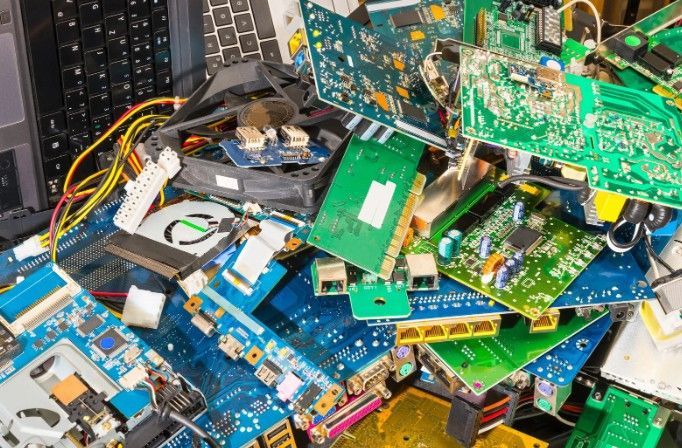
Electronics are common during home and office cleanouts, but some devices require specialized recycling. Televisions, computers, monitors, printers, and similar equipment may contain components that should not be processed as ordinary garbage.
Refrigerators, freezers, and some air-conditioning units can also require special handling because they may contain refrigerants. These substances need to be properly recovered before certain appliances can be recycled or disposed of.
Acceptance policies differ between junk removal companies. Some providers may collect electronics and appliances and take them to appropriate recycling facilities, while others may have restrictions.
Before your appointment, separate electronics from ordinary household junk and provide the company with a list of larger appliances. This allows the crew to determine the appropriate handling process.
Weapons, Ammunition, and Explosives
Weapons, ammunition, and explosives should never be placed into an ordinary junk pile. Firearms, ammunition, fireworks, and other dangerous items can create serious risks during collection, transportation, and disposal.
Old or damaged weapons can still require specialized handling. Ammunition may remain dangerous even after years of storage, while certain weapons can also be subject to legal requirements.
If you discover these items while cleaning a property, do not place them in a trash container or removal truck. Contact the appropriate local authorities or an authorized disposal or surrender program for guidance.
The same principle applies to explosives and other materials capable of causing fires or explosions. These items require specialized procedures and should remain separate from standard household debris.
Items With Special Local Disposal Requirements
Some materials may not be hazardous but can still require special disposal because of local rules or recycling requirements. Examples can include certain tires, batteries, large quantities of concrete, contaminated materials, and unusually heavy construction debris.
Acceptance may also depend on quantity. A company might accept a few ordinary items but require advance arrangements for large amounts of specialized debris.
Do not assume that everything unwanted can automatically go into a junk removal truck. Disposal facilities have rules that determine which materials they can legally and safely process.
When preparing for Junk Removal Las Vegas, separate unusual, hazardous, heavy, or potentially regulated materials from standard household items. If you are unsure, contact the company before scheduling service.
How to Prepare Restricted Items for Disposal
The easiest way to avoid problems is to identify restricted materials before the removal crew arrives. Walk through your property and separate chemicals, fuels, medical waste, electronics, construction materials, and other questionable items.
Keep hazardous products in their original containers when possible and avoid opening, mixing, or transferring them. Do not place dangerous materials into bags or boxes with ordinary household junk.
Take note of large or unusual items and provide the junk removal company with accurate information. Photos can also help a company determine whether an item can be accepted.
Good preparation makes the appointment more efficient and reduces the possibility of unexpected restrictions. It also ensures that recyclable, reusable, and regulated materials are directed to the appropriate destination.
Conclusion
Knowing which items are not accepted during junk removal helps make your cleanup safer and more organized. Hazardous chemicals, fuels, medical waste, asbestos, certain electronics, weapons, and other restricted materials may require specialized disposal rather than standard collection. Local regulations and company policies can also affect whether certain heavy, oversized, or unusual items are accepted.
Before scheduling a pickup, separate questionable materials from regular household junk and ask about anything you are unsure about. If you need professional junk removal in Las Vegas,
Hot Mess Cleanup & Junk Removal can help you understand your options and prepare for your cleanup. For information about services or accepted items, call
702-800-0506.